
Oceana Calls on Governments to Put Coastal Communities First at Our Ocean Conference in Kenya
Kate Walsh to join Oceana in Mombasa to meet with small-scale fishers and help elevate coastal voices in global ocean decision making
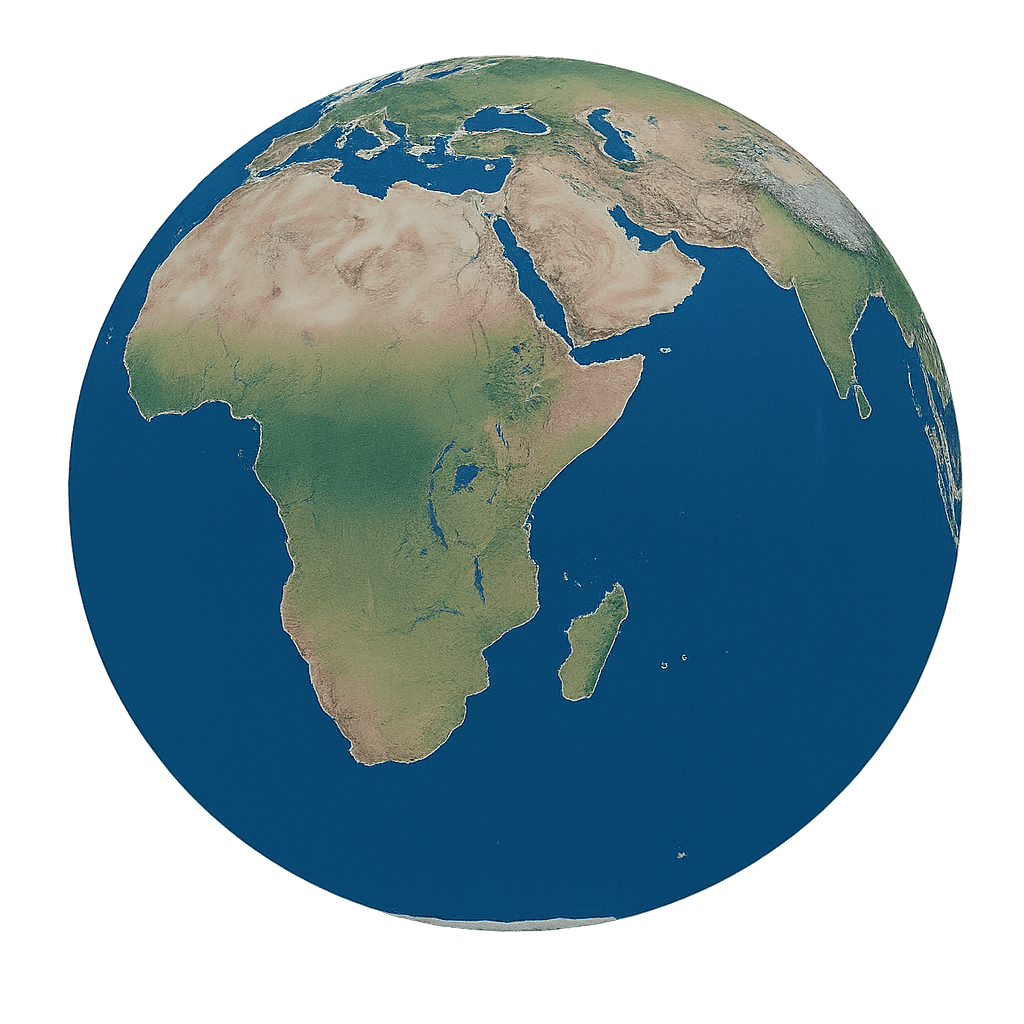
MOMBASA, Kenya, June 03, 2026 (GLOBE NEWSWIRE) -- Ahead of the 11th annual Our Ocean Conference taking place June 16-18 in Mombasa, Kenya, Oceana — the world’s largest ocean conservation organization — is calling on governments to strengthen protections for critical marine habitats, increase transparency in global fisheries, and put small-scale fishers and coastal communities at the center of ocean decision making.
This year marks the first time the Our Ocean Conference will be held on the African continent. Since its launch in 2014, the conference has generated more than 2,900 commitments worth over $169 billion in support of ocean action.
Betsy Njagi, Principal Secretary in Kenya’s State Department for the Blue Economy and Fisheries said, “For millions across Africa, the ocean is essential to food security, livelihoods, economic opportunity, and climate resilience. Yet marine ecosystems face growing threats. As the conference convenes in Africa for the first time, it marks an important milestone for ocean governance, marine conservation, and the sustainable blue economy. It is also an opportunity to strengthen international cooperation and accelerate action to protect the ocean for future generations.”
Actor and ocean advocate Kate Walsh will join Oceana’s experts in Mombasa to meet with local fishers and community leaders to help amplify their perspectives on the importance of sustainable fisheries and healthy oceans for food security and livelihoods across Africa.
“I’m honored to meet with local fishers here in Kenya and hear directly from the people whose lives and livelihoods depend on healthy oceans,” said Walsh. “Their voices must be included as leaders make decisions that will shape the future of our oceans.”
Across Africa, hundreds of millions of people rely on the ocean for food and income, yet marine ecosystems are under increasing pressure from overfishing, pollution, and climate change.
“On research trips over the years, I see the same patterns repeated from one coastline to another: marine ecosystems are facing greater pressures, fishing is becoming more dangerous, and fish are scarcer and more expensive,” said Dr. Christina Chemtai Hicks, a Kenyan British Professor at Lancaster University, Pew Marine Fellow, and Oceana Board Member. “Across Africa’s coastlines and around the world, fishing communities are exposed to declining fish populations, rising costs, and climate impacts. This conference is an opportunity for leaders to advance ocean policies that protect food security, livelihoods, and marine ecosystems together.”
Industrial fishing activity in African waters, including by foreign-owned fleets, continues to raise concerns about transparency, accountability, and equitable access to marine resources. Much of that catch is exported to wealthier nations, reducing what is available for local communities that depend on seafood for nutrition and livelihoods.
Improving transparency in global fisheries, including stronger monitoring of fishing activity and vessel ownership, public access to information, and stronger enforcement of existing regulations can help curb illegal and destructive fishing, provide data to rebuild fish populations, and support advocacy by small-scale fishers and coastal communities.
The conference also comes as Oceana expands its campaigns to Africa following the opening of its new office in Ghana earlier this year, strengthening the organization’s work to protect marine ecosystems, rebuild local fisheries, and ensure local fish support local communities.
“Oceans are a vital source of food, jobs, and economic security for millions of people across Africa,” said Sonia Kwami, Oceana’s Vice President in Ghana. “As leaders gather in Kenya, there is a real opportunity to advance practical solutions that protect marine ecosystems, rebuild fish populations, and ensure coastal communities and small-scale fishers can continue to thrive. After all, small-scale fishers should have priority access to fish in their own waters.”
Oceana is the largest international advocacy organization dedicated solely to ocean conservation. Oceana is rebuilding abundant and biodiverse oceans by winning science-based policies in countries that control one-quarter of the world’s wild fish catch. With more than 350 victories that stop overfishing, habitat destruction, oil and plastic pollution, and the killing of threatened species like turtles, whales, and sharks, Oceana’s campaigns are delivering results. A restored ocean means that 1 billion people can enjoy a healthy seafood meal every day, forever. Together, we can save the oceans and help feed the world. Visit Oceana.org to learn more.
Contact: Anna Baxter, abaxter@oceana.org


Legal Disclaimer:
EIN Presswire provides this news content "as is" without warranty of any kind. We do not accept any responsibility or liability for the accuracy, content, images, videos, licenses, completeness, legality, or reliability of the information contained in this article. If you have any complaints or copyright issues related to this article, kindly contact the author above.
